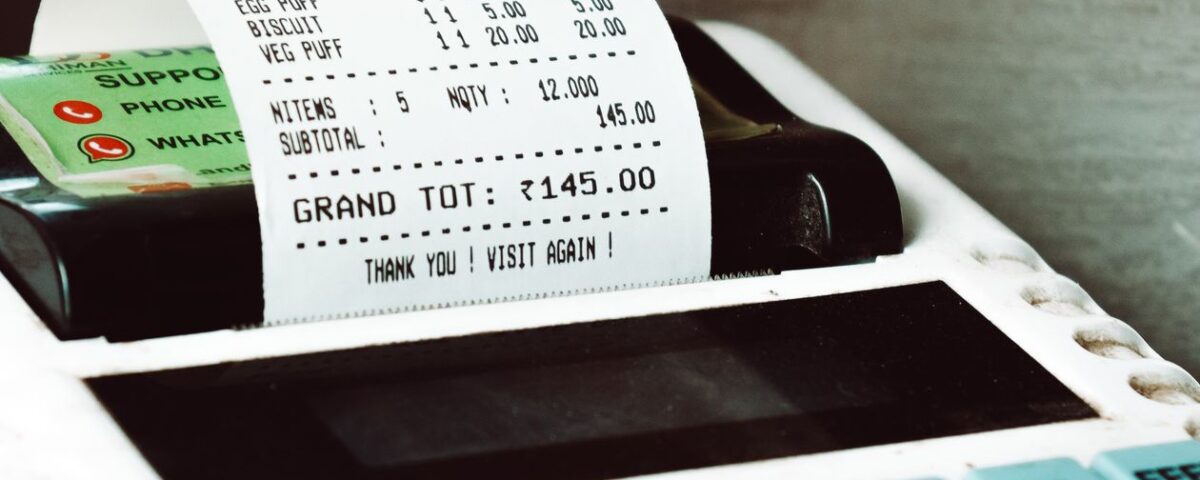
Running a restaurant in Pakistan today means more than managing tables, orders, and kitchen timing. Every sale now has to be reported digitally to the Federal Board of Revenue, and restaurant owners who haven’t set this up yet are often unsure where to start. This guide walks through what FBR POS integration actually means for restaurants, why it’s become unavoidable, and how the process typically unfolds so you can plan the switch without disrupting service.
What Is FBR POS Integration for Restaurants?
FBR POS integration is the process of connecting a restaurant’s billing system directly to FBR’s tax reporting infrastructure so that every invoice is recorded in real time. Instead of manually filing sales data at month-end, the system pushes each transaction to FBR the moment it happens. For dine-in, takeaway, and delivery orders, this means the software generating your bill also has to be built to communicate with FBR’s servers, not just print a receipt.
This is different from provincial tax integrations some restaurants already handle, such as PRA-based reporting for Punjab establishments. A restaurant operating in Punjab may need to manage both a PRA restaurant integration setup and federal FBR reporting, depending on how the business is registered and where it operates.
Why FBR Compliance Matters for Restaurants
Restaurants sit in a category FBR monitors closely because food and beverage sales involve high transaction volume and frequent cash handling, which historically made under-reporting easier to overlook. That’s part of why enforcement has felt more visible in this sector than in many others over the past year.
Skipping or delaying integration isn’t a minor administrative gap. It carries real consequences:
- Financial penalties that scale with the length of non-compliance
- Risk of sales tax notices or audits triggered by reporting mismatches
- Potential restrictions on business operations for repeated violations
- Loss of input tax credit eligibility in some cases
Restaurants that integrate early tend to avoid the rushed, error-prone transition that happens when owners wait until 2026 compliance deadlines are close. Waiting also means competing with every other last-minute business for the same POS vendors’ support teams.
How the Integration Process Works
The technical side of FBR POS integration for restaurants generally follows a similar pattern across providers, though exact steps can vary slightly depending on your software and how many outlets you’re running.
First, your POS system is registered with FBR using your business’s tax credentials, which links your NTN and sales tax registration to the software itself. Once that’s confirmed, a secure connection is established so invoice data syncs automatically with every transaction. Before going fully live, test transactions run in a sandbox environment so any formatting or category errors get caught early rather than during real service hours. Only after this testing phase is approved does every bill generated at checkout start reporting in real time.
Restaurants with multiple outlets or a central kitchen model need every branch terminal linked individually rather than relying on one central connection. The logic here mirrors how multi-branch reporting setups work in other service industries — each location needs its own verified sync, even when they all report back to one head office.
Common Challenges Restaurants Face
Most of the friction restaurants run into isn’t with the concept of integration itself, but with execution. A few recurring issues include mismatched menu item tax categories, unstable internet connections at peak hours interrupting real-time syncing, and staff who aren’t trained on how invoice generation now differs from the old manual process.
Restaurants juggling high order volume during rush hours are especially sensitive to any lag in the billing system, so choosing software tested for speed under load matters as much as the compliance piece itself. Reviewing documented integration errors and fixes ahead of time can help you anticipate issues before they show up mid-shift, rather than troubleshooting them live in front of a full dining room.
Choosing the Right POS System
Not every POS system marketed as “FBR-compliant” handles restaurant-specific needs well, and this is where many owners get caught off guard after signing a contract. Before committing, it’s worth checking whether the software actually supports:
- Table and order management alongside tax reporting
- Delivery and third-party platform order syncing
- Offline invoice queuing for connectivity drops
- Menu-level tax configuration for varying item categories
A system built around restaurant POS software needs from the ground up tends to integrate more smoothly than a generic retail POS retrofitted for food service. Retail-first systems often lack proper menu modifiers or split-billing logic, which creates reporting headaches later. If your current setup is already outdated, comparing essential POS features against what you have now is a useful starting point before you commit to a new vendor.
Restaurant owners transitioning from manual billing often underestimate how much staff training the switch requires. Budgeting a short adjustment period, rather than expecting an instant changeover, tends to produce a smoother rollout and fewer mistakes on the floor during the first few weeks.
At myPOS, restaurant clients frequently ask how integration affects daily reporting once it’s live — in most cases, sales summaries and tax reports become easier to generate, not harder, since the data is already structured for compliance rather than being reconciled after the fact at month-end.
Is Your Restaurant Ready to Integrate?
Before reaching out to a POS provider, it helps to have a clear picture of your current setup. Restaurants still running fully manual billing, or older software that was never designed with tax reporting in mind, usually need more lead time than those simply upgrading an existing digital system. It’s also worth mapping out how many terminals, branches, and delivery channels need to be connected, since this directly affects both timeline and cost.
Owners who’ve already looked into data security after integration tend to move through the decision-making stage faster, since concerns about where transaction data goes and who can access it are usually the first questions that come up internally. Getting clarity on this early, before evaluating vendors, tends to shorten the overall selection process considerably. A short internal audit of your current billing gaps, done a few weeks ahead of any planned switch, also makes the eventual staff training phase far less chaotic.
Conclusion
FBR POS integration for restaurants isn’t just a compliance checkbox — it reshapes how billing, reporting, and daily operations connect behind the scenes. Restaurants that treat the transition as a planned upgrade, rather than a last-minute scramble, generally end up with cleaner reporting and fewer disruptions to service. Whether you’re running a single dine-in location or managing multiple branches, understanding how the process works before you start is what makes the difference between a smooth rollout and a stressful one.
Frequently Asked Questions
Is FBR POS integration mandatory for all restaurants in Pakistan? Yes, restaurants above the registration threshold set by FBR are required to integrate their POS systems.
How long does restaurant FBR integration typically take? Most restaurants complete setup and sandbox testing within one to two weeks, depending on the POS provider.
Does FBR integration slow down billing during busy hours? A properly configured system with offline queuing shouldn’t cause noticeable delays at checkout.
Can a restaurant use the same POS for FBR and provincial tax reporting? Some systems support both, but it depends on whether your business needs federal and provincial reporting simultaneously.
What happens if a restaurant delays FBR POS integration? Delays can result in penalties, audit risk, and possible restrictions on business operations.
Get your business on myPOS — free demo, FBR-ready.
Our team sets up the POS, FBR / PRA integration and staff training for you. Most businesses are live within 1–3 days.