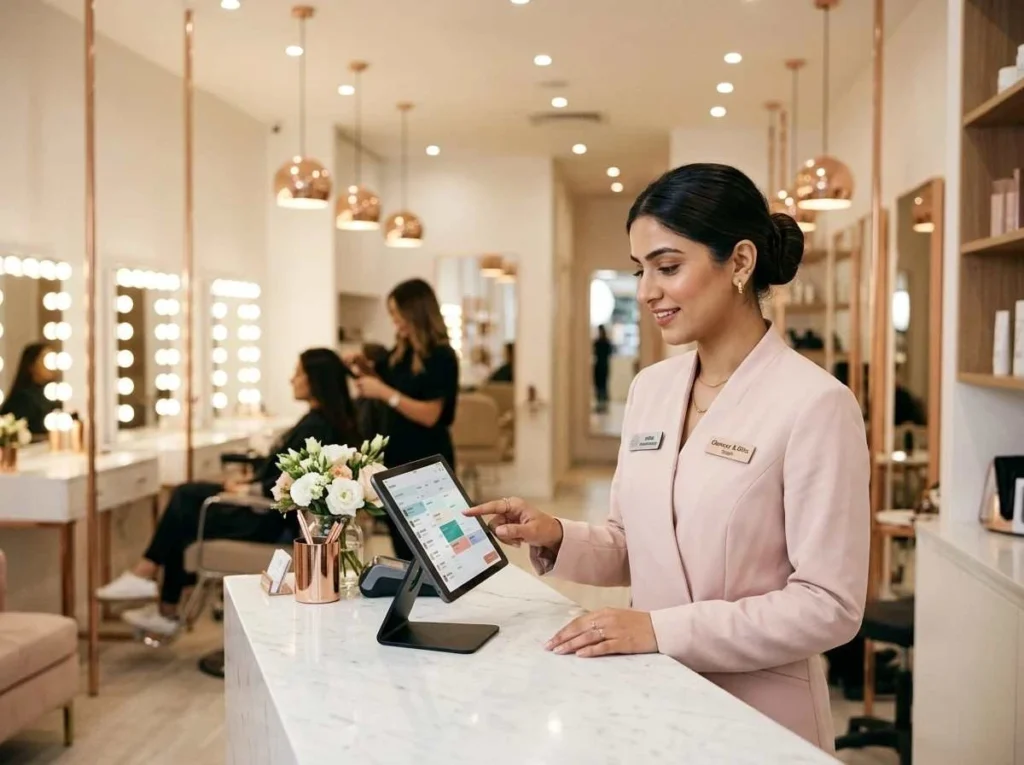

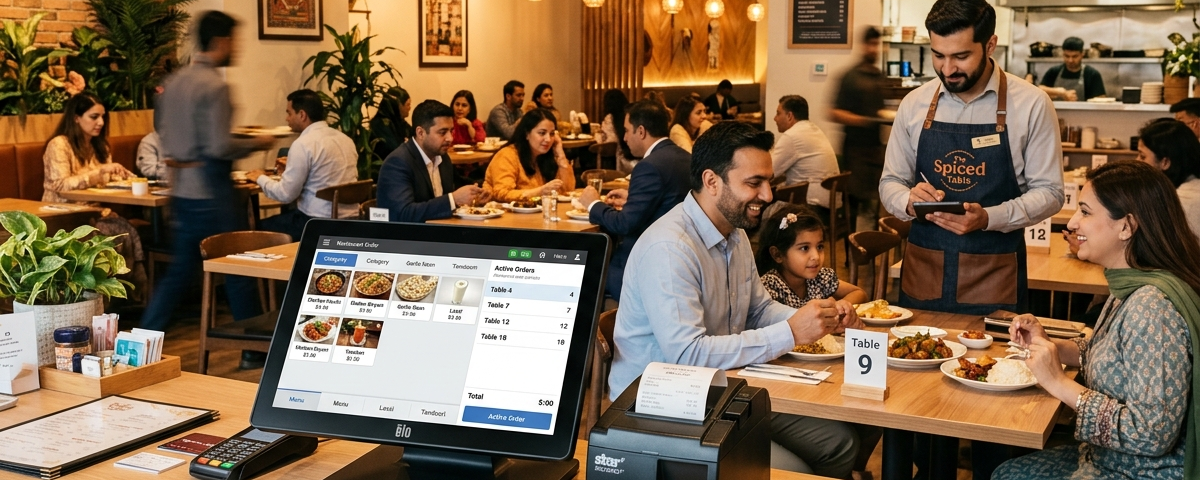
Running a restaurant in Pakistan has never been more demanding. Between managing kitchen workflows, tracking raw material consumption, staying compliant with tax authorities, and keeping customers happy, the operational pressure is constant. One of the smartest investments a food business owner can make today is adopting a dedicated restaurant billing and order management system that goes far beyond a basic cash register.
If you are exploring your options, a modern POS Solution for Pakistani Restaurants can help streamline billing, order management, and kitchen operations while improving overall efficiency and control for growing food businesses across the country.
What Does a Management System Actually Do in Restaurants?
This is one of the most common questions restaurant owners ask before making a purchase decision. At its core, a restaurant management system handles the entire sales transaction cycle, from the moment a customer places an order to the moment the bill is settled and the accounts are updated. But in practice, a well-built system covers far more ground.
A good system handles table management, kitchen order ticketing (KOT), dine-in and takeaway workflows, real-time inventory deduction, staff-level access controls, and detailed sales reporting. It essentially becomes the operational backbone of your restaurant, replacing paper-based methods and disconnected spreadsheets with a single, unified interface.
Do Pakistani Restaurants Need FBR Integration?
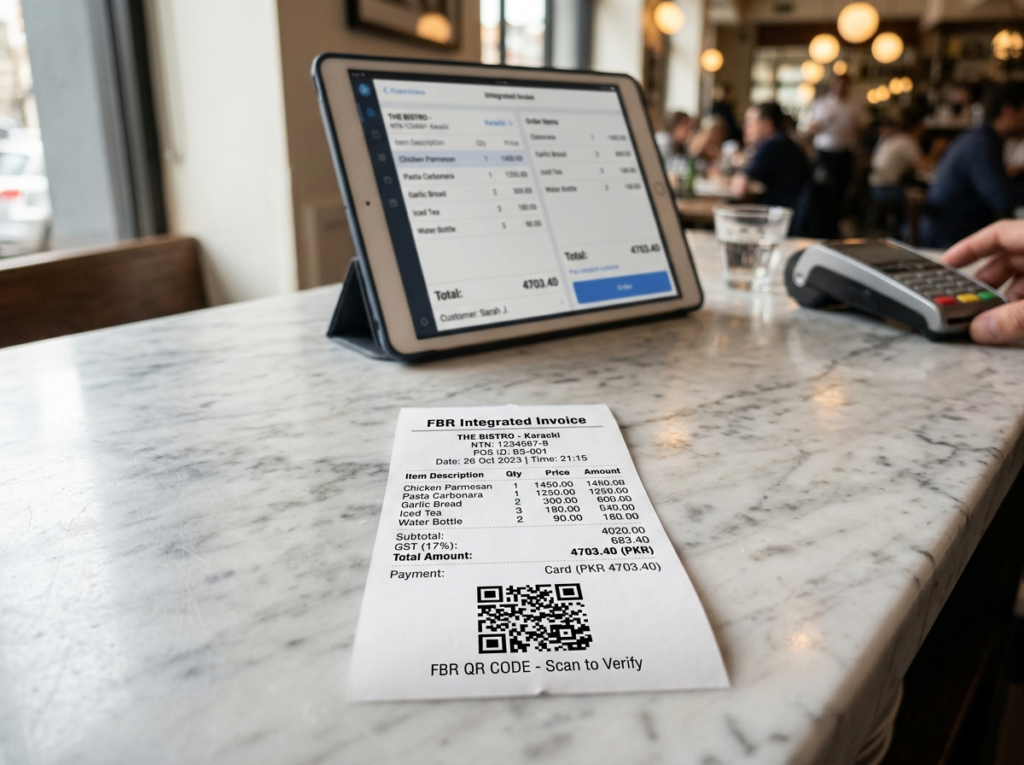
Yes, and this is a critical consideration that many restaurant owners overlook until it is too late. The Federal Board of Revenue (FBR) requires registered businesses to use FBR-integrated invoicing software. Similarly, provincial revenue authorities such as the Punjab Revenue Authority (PRA), Sindh Revenue Board (SRB), and Khyber Pakhtunkhwa Revenue Authority (KPRA) have their own compliance requirements for sales tax reporting.
Any restaurant billing software you choose in Pakistan should support FBR digital invoicing and be capable of generating compliant invoices in real time. Non-compliance can result in penalties and audit risk, so this feature is non-negotiable for any serious food business.
Cloud-Based vs. Desktop: Which One Is Better for Pakistani Restaurants?
This is a question that comes up frequently, and the honest answer is: it depends on your infrastructure and business model.
Desktop-based systems work entirely offline and are ideal for locations where internet connectivity is unreliable. They are generally faster to set up and carry a lower monthly cost. However, they limit remote monitoring, so you cannot check your sales figures or inventory status from outside the restaurant.
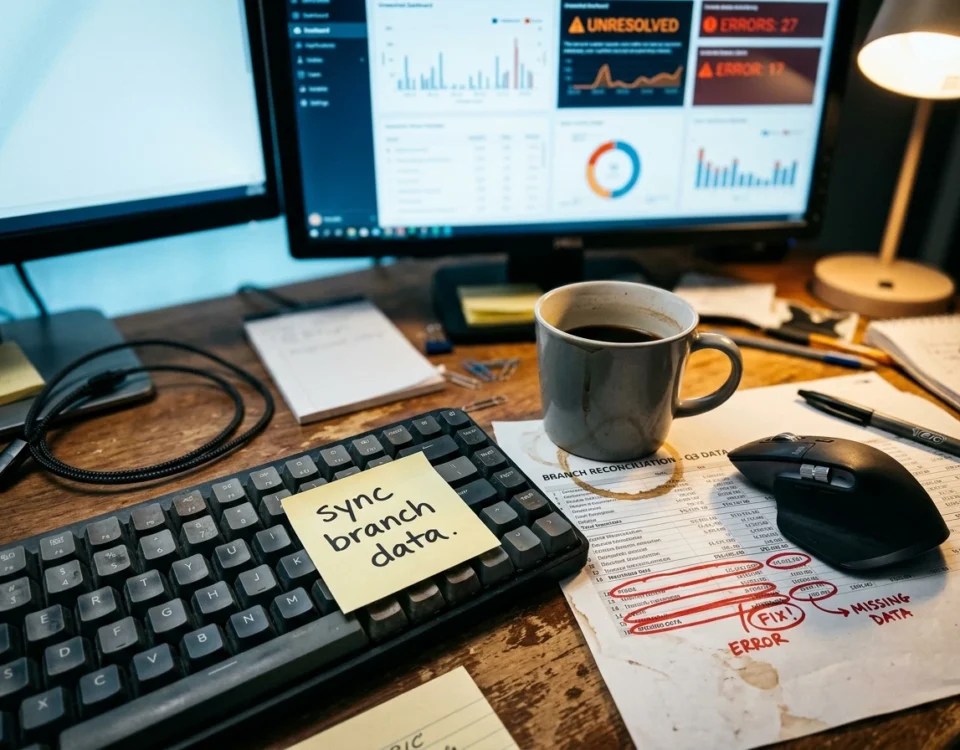
Cloud-based restaurant software, on the other hand, gives you access to dashboards, sales reports, and stock alerts from any device, anywhere. This is a significant advantage for owners managing multiple branches or those who travel frequently. The best systems available in Pakistan offer a hybrid model. They continue operating in offline mode during internet outages and sync data automatically once connectivity is restored.
For growing restaurant chains and multi-location food businesses, a cloud-enabled hybrid system is the more future-proof choice.
What Hardware Does a POS Setup in Restaurants Require?
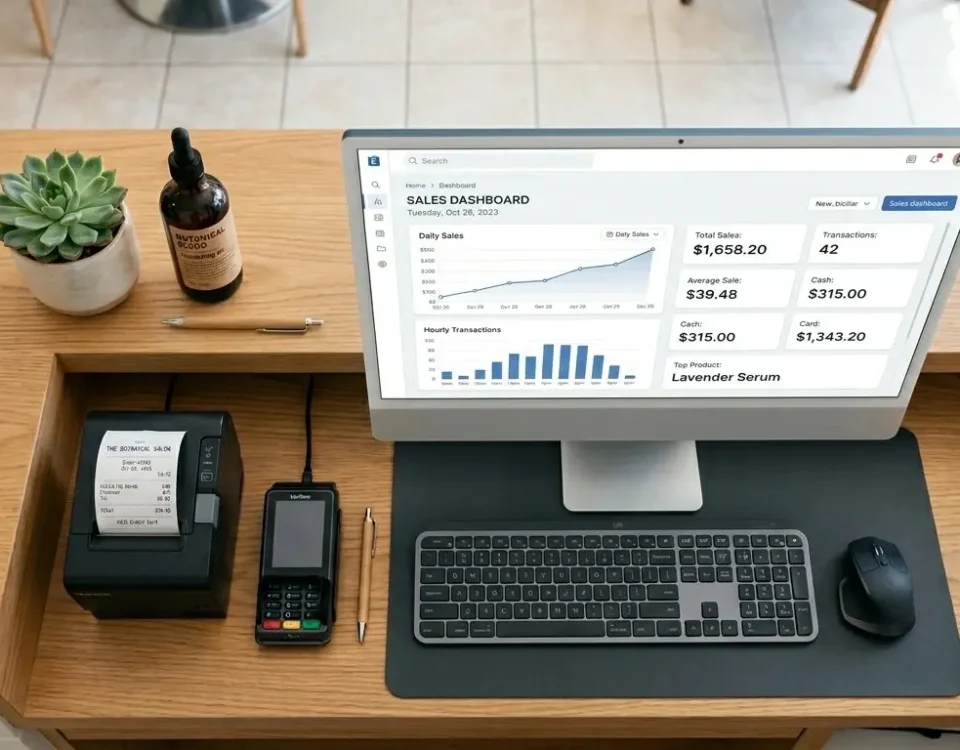
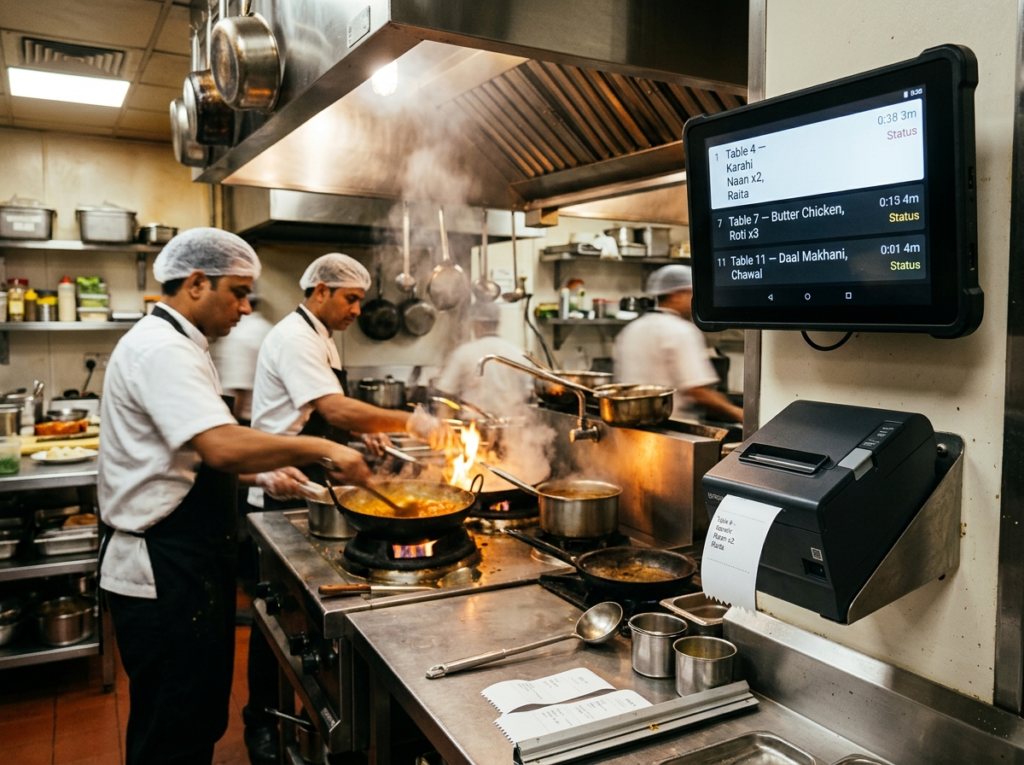
A typical restaurant setup includes a touchscreen terminal or tablet, a thermal receipt printer, a cash drawer, and a kitchen printer or kitchen display screen (KDS). Larger setups may also include a barcode scanner for inventory management and handheld devices for tableside order-taking by waitstaff.
One important tip: always factor hardware costs into your total budget when evaluating any software package. Some providers bundle hardware with their software subscription, while others charge separately. Understanding the complete cost of ownership, including any annual renewal or support fees, is essential before signing any agreement.
What Features Should a Food Business Specifically Look For?
Not all billing software is designed with food businesses in mind. When evaluating options for a restaurant, café, or fast-food outlet, prioritize the following capabilities.
Kitchen Order Ticketing (KOT): Orders placed at the counter or by tableside waitstaff should automatically appear on a kitchen printer or display screen. This eliminates verbal miscommunication and reduces order errors during rush hours.
Recipe and Ingredient Management: A restaurant-specific inventory system should track raw material consumption at the recipe level. When a dish is sold, the corresponding ingredients should automatically be deducted from stock. This is essential for controlling food costs and reducing wastage.
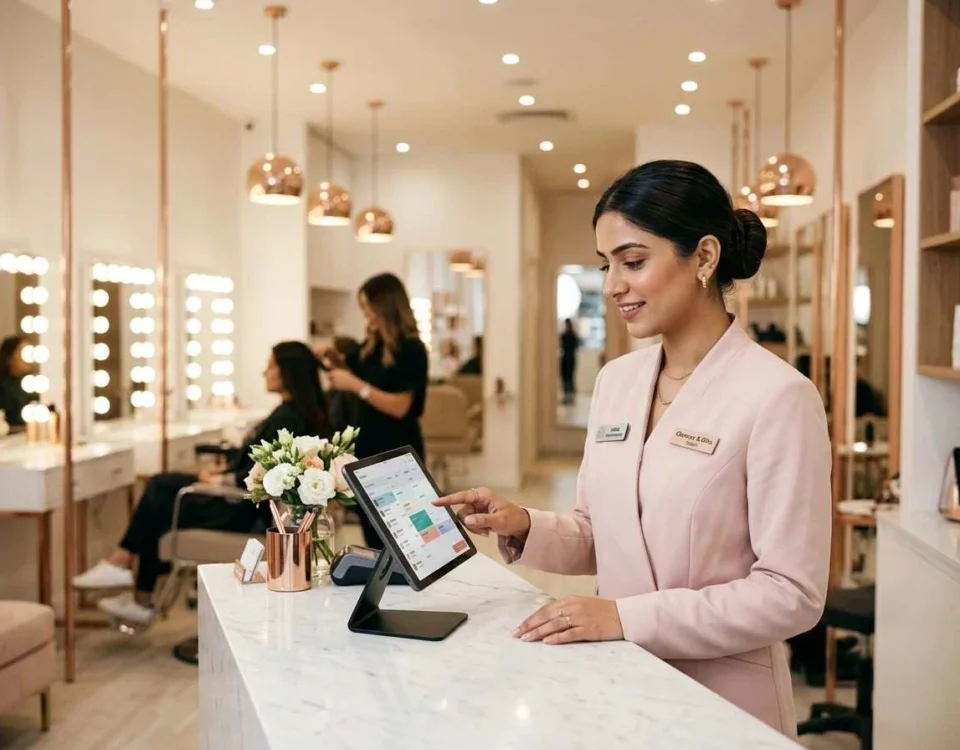
Table Management: Visual floor plans that show table status, whether occupied, reserved, or available, allow front-of-house staff to manage seating efficiently, especially during high-footfall periods.
Multi-Mode Order Handling: A modern restaurant management system should handle dine-in, takeaway, and delivery orders through a single interface, including integration with third-party delivery platforms where applicable.
Reporting and Analytics: Daily sales summaries, item-wise performance reports, staff transaction logs, and hourly revenue breakdowns help owners make data-driven decisions rather than relying on gut feeling.
How Much Does a Restaurant Billing System Cost in Pakistan?
Pricing varies widely depending on the provider, the number of terminals, and the features included. Cloud-based subscription models typically range from PKR 2,500 to PKR 6,000 per month depending on the plan tier. Some providers offer one-time licensing fees for desktop-based software, which can be more economical in the long run for single-location restaurants with stable operations.
When comparing pricing, always assess what is included in each tier. Entry-level plans may exclude features like multi-location management, advanced analytics, or loyalty programme modules. Understanding your current and near-future operational needs will help you avoid the cost of switching systems down the line.
Is Staff Training a Big Challenge?
It can be, but it should not be a barrier to adoption. Most reputable providers offer onboarding support and training sessions as part of the setup process. The key factor to evaluate here is the interface design. A system with a clean, intuitive layout reduces the learning curve significantly, particularly for cashiers and kitchen staff who may not be technically experienced.
A well-implemented system also improves staff accountability. Every transaction, discount, and refund is logged against a specific user, which helps reduce internal errors and deters misuse.
Why a Locally Supported System Matters
One of the most practical considerations for restaurant owners in Pakistan is after-sales support. A system that is technically sound but backed by poor customer service can bring operations to a halt during a busy service period. Choosing a provider with a local support team, reachable via phone or WhatsApp, is not a luxury; it is a necessity.
mypos.pk is one of the Pakistan-based providers that has built its reputation on exactly this combination: locally developed software with dedicated support, designed specifically for the operational realities of running a food business in cities like Lahore, Karachi, Islamabad, and beyond. Their system supports multi-location management, offline and online integration, flexible reporting, and is compatible with a wide range of standard POS hardware.

Making the Right Decision
Choosing a restaurant management and billing system is not simply a technology decision; it is a business decision. The right system will save you time, reduce errors, keep you compliant with tax regulations, and give you the data visibility to grow with confidence.
Before committing, always request a live demo, ask about FBR integration, clarify the hardware requirements, and understand the full support model. The investment in a well-suited system pays for itself quickly in operational efficiency and reduced manual errors.