
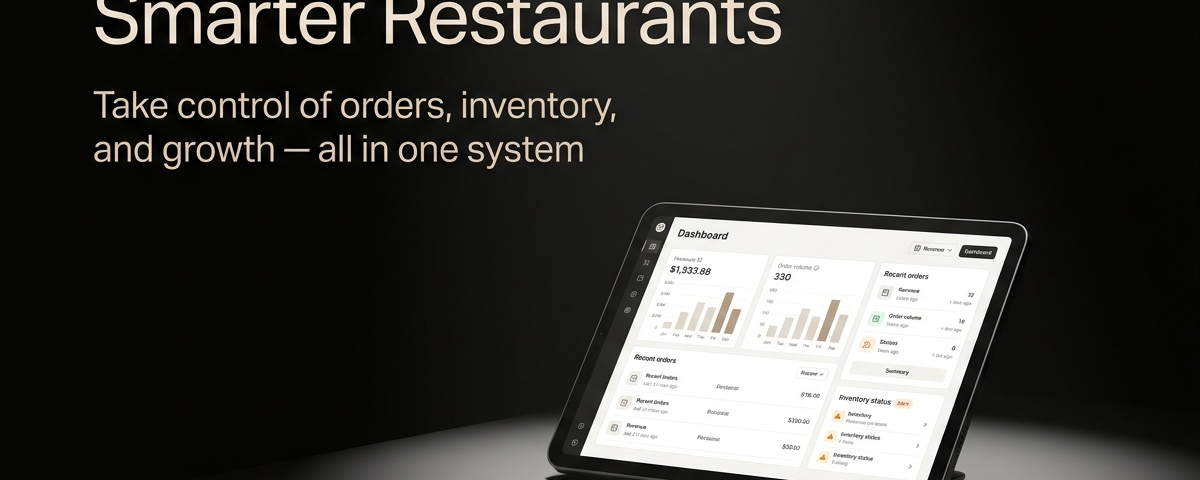
Running a restaurant in Pakistan has never been more competitive. From the bustling food streets of Lahore to the upscale dining scene in Karachi and Islamabad, restaurant owners are under constant pressure to deliver faster service, tighter cost control, and a better guest experience, all at once.
The good news? The right restaurant billing solution can handle a surprising amount of that pressure for you. If you’ve been relying on a manual cashbook or a basic invoicing app, you’re likely leaving money on the table and frustrating both your staff and your customers in the process. This is your complete guide to making a smarter technology decision for your food business.
Why Pakistani Restaurant Owners Are Upgrading Their Tech
A few years ago, most small and mid-sized eateries in Pakistan operated without any formal digital system. Today, that’s changing rapidly. With rising operational costs, higher customer expectations, and the growth of food delivery platforms like Foodpanda and Cheetay, restaurants need a centralized order and payment processing solution that ties everything together.
The shift isn’t just about convenience; it directly impacts profitability. Restaurants that adopt proper digital sales tracking and reporting tools can identify their top-selling items, peak hours, and wasteful spending patterns far more easily than those relying on handwritten records.
Key Features to Look for in Restaurant Management Software
Before you commit to any platform, you need to evaluate it against the specific demands of running a food business in Pakistan. Here’s what matters most:
1. Table and Order Management
Whether you run a small café in Gulberg or a multi-floor family restaurant in Clifton, you need software that maps your floor layout and tracks open tables in real time. Dine-in order management prevents errors, reduces the time your waitstaff spends running back and forth, and ensures the kitchen always has the right instructions.
2. Kitchen Display and Communication
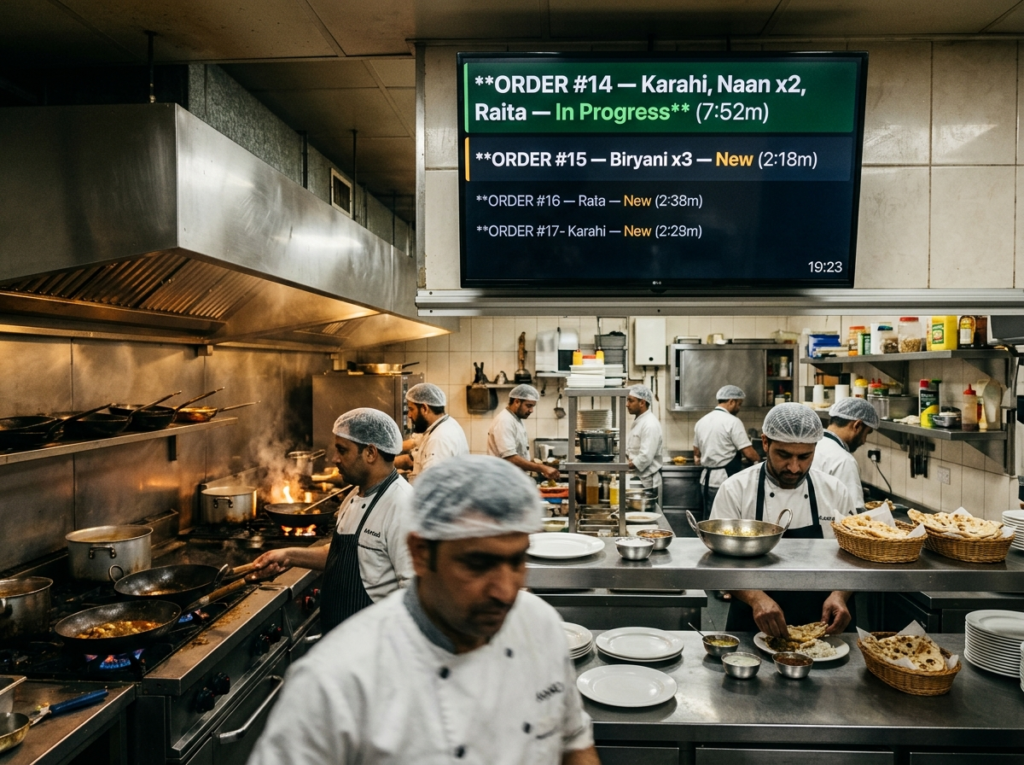
A kitchen display system (KDS) replaces the old paper ticket model with a live digital screen. Orders appear instantly as they’re placed, reducing miscommunication between the front of house and back of house, which is one of the most common sources of complaints in Pakistani restaurants.
3. Inventory and Stock Tracking
One of the biggest drains on a restaurant’s margin is unmonitored ingredient usage. Good stock control software lets you set reorder alerts, track daily consumption against sales, and flag discrepancies that may indicate over-portioning or theft.
4. Sales Reporting and Analytics
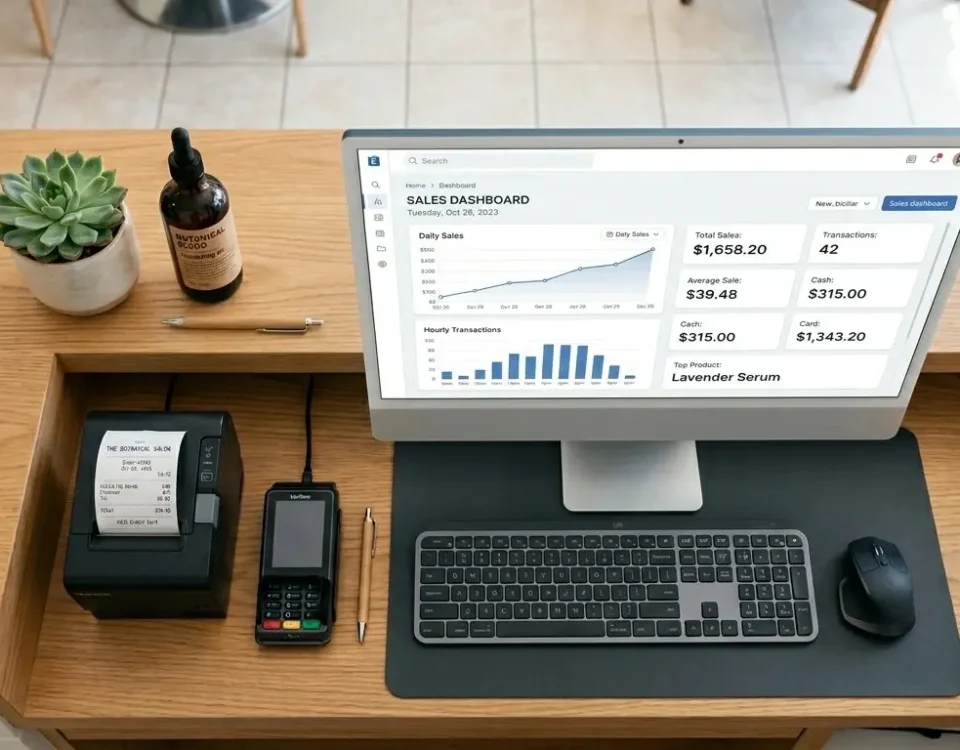
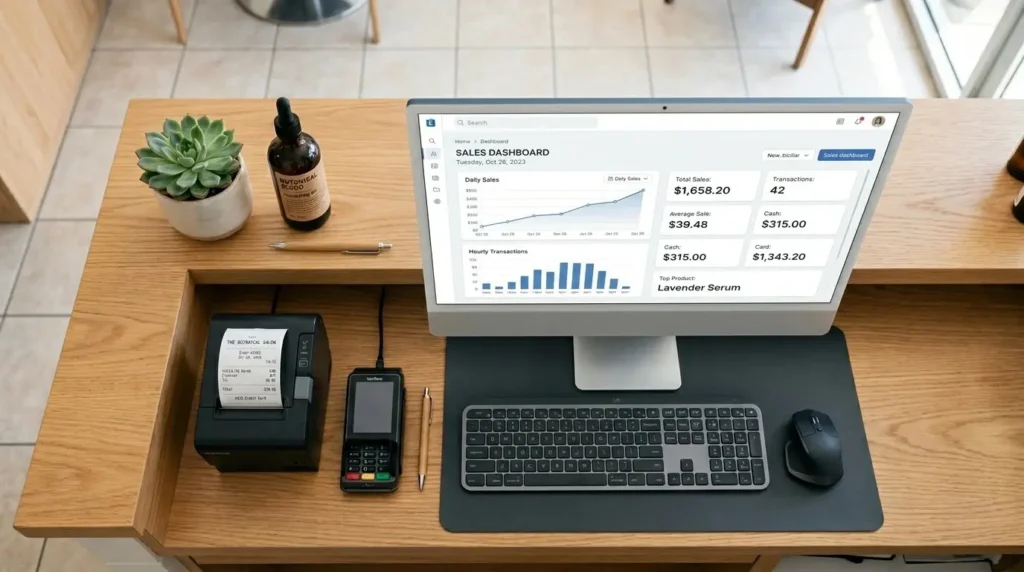
You should be able to pull a daily, weekly, or monthly revenue report with a tap. Understanding your sales trends over time, across categories, payment methods, or even individual servers, is what separates reactive restaurant management from strategic growth.
5. Integration with Delivery Platforms
With a growing chunk of Pakistani restaurant revenue now coming through third-party delivery apps, having software that can integrate delivery orders directly into your system without double-entry is a real competitive edge.
6. Support for Local Payment Methods
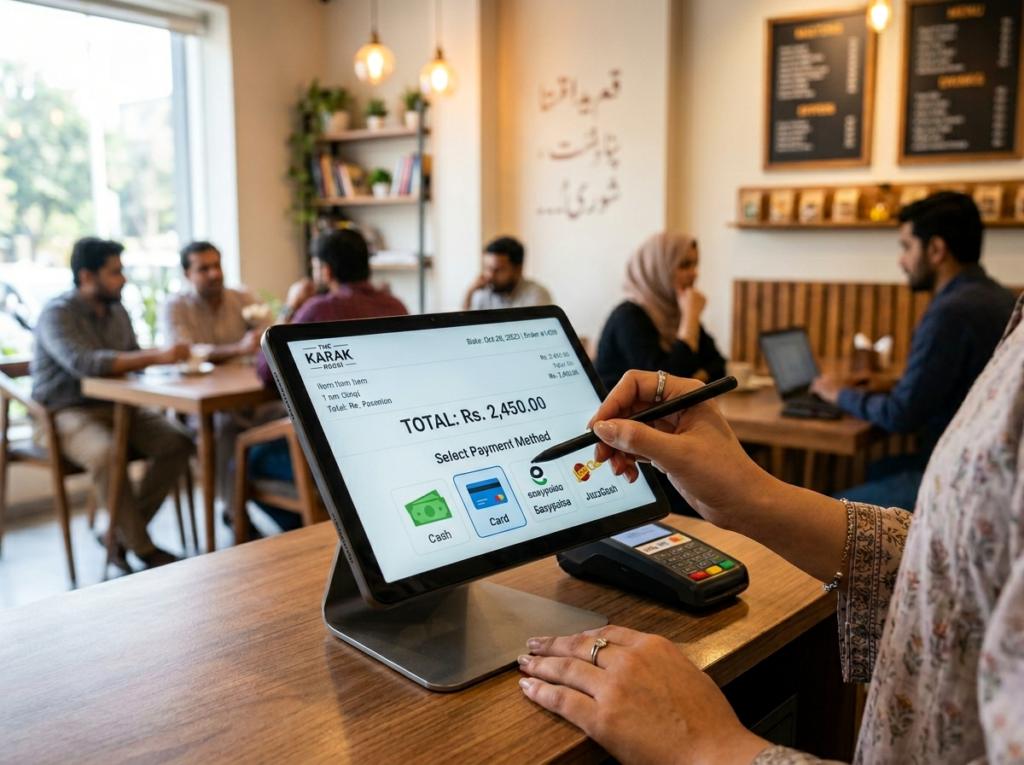
Your software must support cash, card, and increasingly popular mobile wallet payments used across Pakistan, including Easypaisa and JazzCash. A system that doesn’t handle these will slow down your checkout and frustrate customers.
Pakistan-Specific Considerations
Choosing software for a restaurant in Pakistan isn’t quite the same as choosing one for a business in the UK or the US. There are some local factors you genuinely need to account for:
FBR Integration:
The Federal Board of Revenue now requires many businesses, including restaurants, to issue digital tax invoices. Your software must be capable of FBR-compliant receipt generation, which is non-negotiable if you want to avoid penalties.
Internet Reliability:
Many areas across Pakistan still experience connectivity issues. Look for software that offers offline functionality, so your operations don’t grind to a halt when the internet drops.
Local Customer Support:
When something goes wrong at 8pm on a Saturday night, you don’t want to be filing a ticket with an overseas team. Prioritize vendors who offer Urdu-speaking, locally based support.
Pricing in PKR:
Software priced in USD can become unpredictably expensive as the rupee fluctuates. Locally developed platforms like mypos.pk price in Pakistani rupees, offer packages designed around the realities of local businesses, and provide the kind of hands-on onboarding that international SaaS tools simply don’t.
Cloud-Based vs. On-Premise: Which Works for Pakistani Restaurants?
This is a common question. Cloud-based restaurant software is generally the better choice for most food businesses today. It’s easier to update, accessible from any device, and doesn’t rely on an in-house server that could fail. On-premise systems were once preferred because of internet concerns, but modern cloud platforms with solid offline modes have largely addressed that.
For multi-branch operations, like a growing QSR chain or a café franchise, cloud-based software is essentially mandatory. It lets owners monitor sales, staff performance, and inventory across all locations from a single dashboard.

How to Evaluate Before You Buy
Don’t sign up for any software on the basis of a brochure. Here’s a practical evaluation checklist:
- Request a live demo specific to your restaurant type (QSR, fine dining, café, etc.)
- Ask whether the software handles FBR integration natively
- Test the offline mode by disconnecting from the internet during the demo
- Ask for references from other Pakistani restaurants using the platform
- Clarify post-sale support hours and language
- Understand the total cost of ownership, including hardware, setup fees, and annual charges
If you’re still early in your research and want a broader look at what’s available locally, check out our guide on the best restaurant billing software, which breaks down the leading features and platforms..
What Happens After You Choose?
Implementation matters as much as selection. Even the best restaurant operations software will underdeliver if your team isn’t trained properly. Plan for a phased rollout. Start with billing and basic order management, then layer in inventory tracking and analytics once your staff is comfortable.
Also make sure you understand how a point of sale system functions within a restaurant environment before going live. This guide on Food POS Solution workflow walks through the operational workflow in plain language, which is especially useful if this is your first time moving away from manual processes.
Final Thoughts
The restaurant industry in Pakistan is evolving fast, and the businesses that will thrive are those that combine great food with smart operations. Choosing the right food business management software isn’t just a tech decision; it’s a business strategy.
Whether you’re opening your first café or scaling a growing chain, investing in the right digital infrastructure now will save you money, reduce errors, and give you the real-time visibility you need to grow confidently. Platforms built for the Pakistani market, like mypos.pk, are a strong starting point. Take the time to evaluate your options, ask the right questions, and choose a partner, not just a product.