

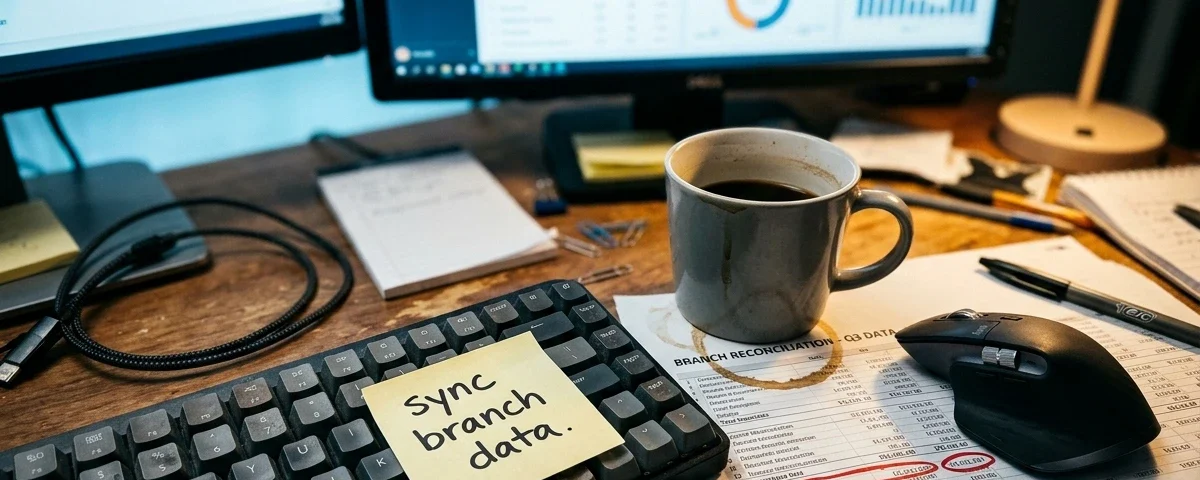
If you run a salon, whether it is a cozy single-chair studio or a growing multi-branch brand, one question always comes up sooner or later: is my point of sale system actually built for how I operate? The answer matters more than most owners realize. The wrong POS setup quietly costs you time, money, and client loyalty. This guide breaks down exactly what each business model needs from a salon point of sale system, so you can make a smarter, more confident decision.
Understanding the Core Difference Between a Single Salon and a Salon Chain
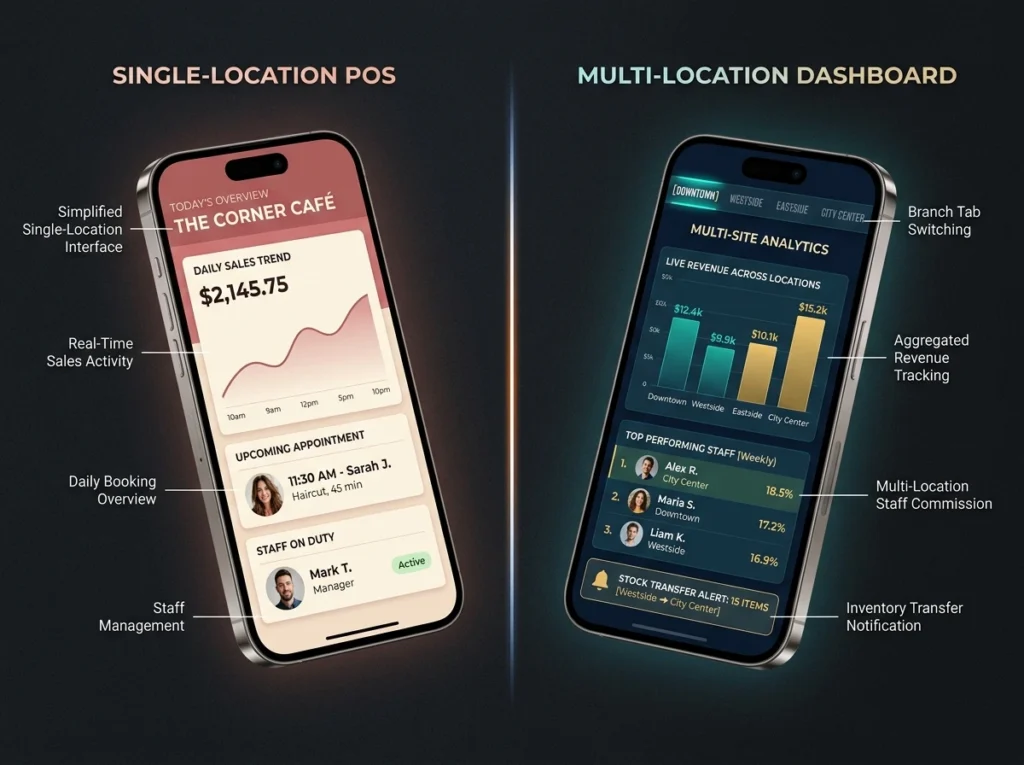
Before comparing POS setups, it helps to understand what actually separates these two business models, because it is not just the number of chairs. A single salon typically operates from one physical location, with a small fixed team, a personal client base, and the owner present on the floor most days. Inventory needs are straightforward, and billing is handled through a single terminal.
A salon chain, on the other hand, involves multiple branches, possibly across different cities, with separate teams, managers, and cashiers at each site. The owner may rarely be on the floor, and decisions are driven by consolidated data rather than daily observation. These structural differences directly shape what you need from a point of sale system.
What a Single Salon Actually Needs from a POS System
Simplicity Over Everything
For a single salon, simplicity matters more than advanced features. Your system should be easy to learn, quick during busy hours, and manageable without technical support. Fast billing, appointment scheduling, and organized client records are enough for smooth daily operations.
Client Management and Loyalty Tracking
Loyal clients keep a salon profitable, so your POS should store visit history, service preferences, and loyalty rewards in one place. Automated reminders and personalized service details help create a better customer experience and encourage repeat bookings regularly.
Basic Inventory and Reporting
A single salon only needs simple inventory and reporting tools. Tracking low stock, daily sales, popular services, and basic expenses gives clear business insights. Straightforward reports help owners understand performance without dealing with complicated analytics dashboards.
What a Salon Chain Needs from a POS System
Managing multiple locations is a fundamentally different challenge. The POS stops being a billing tool and becomes an operational backbone.
Multi-Location Management
Your POS must let you monitor all branches from a single dashboard so you are not logging into five separate systems every morning. Real-time visibility across locations keeps you in control even when you are not on-site. This alone removes a significant layer of daily stress for chain owners.
Centralized Staff and Commission Tracking
With multiple teams across branches, tracking stylist performance and commissions manually is a recipe for errors. Each employee should have their own login with role-based access levels, whether owner, manager, or cashier, and the system should calculate commissions automatically per branch or per individual. This keeps things transparent and removes the arguments that come with manual tallying.
Inter-Location Stock Transfers
Products move between branches, and a chain-level POS needs to track that movement accurately. When one location runs low on a product and another has surplus, the system should log the transfer and update inventory on both ends automatically. Without this, shrinkage and stock discrepancies become a constant headache.
Consolidated Reporting
A salon chain needs reports that roll up across all locations at once. Total revenue by branch, best-performing services chain-wide, and inventory levels at every outlet, all visible from one screen. This kind of reporting is what separates a well-run growing brand from one that is always playing catch-up.
Features That Matter Regardless of Size
Some capabilities are worth having whether you run one location or ten. When comparing billing and appointment solutions, a well-built spa and parlour management system will cover these as standard expectations:
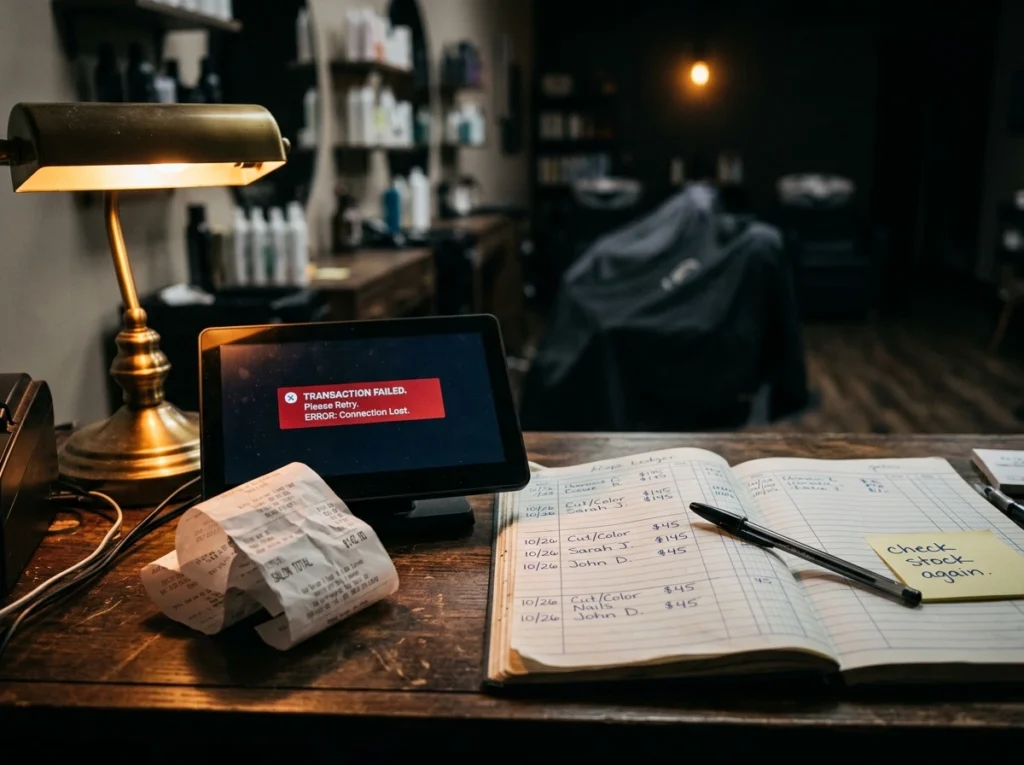
- Offline functionality so your billing keeps running when the internet does not
- Multiple payment modes including cash, card, mobile wallet, and gift cards
- Customizable receipts that reflect your brand professionally
- Secure access levels so staff only see what they need to
These are not premium extras. Any serious salon operation should expect them as standard.
Common Mistakes Salon Owners Make When Choosing a POS
Many owners, solo and chain alike, pick a system based on price alone and discover the gaps too late. The most costly mistake is choosing a generic product billing and inventory tool that has no concept of appointments, client profiles, or service-based transactions. Another common one is going cloud-only in areas where internet connectivity is unreliable, which means any outage takes your billing system down with it.
Some owners also underestimate how quickly they will need scalability. A system that works fine for one branch can become a liability the moment you open a second. Migrating data, retraining staff, and rebuilding client records midway through growth is a disruption most businesses could have avoided. The cost of getting this decision wrong almost always exceeds what a better-matched system would have cost from day one.
So Which POS Setup Is Right for You?
The answer comes down to your operational reality. If you run one location, prioritize ease of use, fast onboarding, and strong client retention features. If you are managing two or more branches, or planning to expand, then centralized oversight, staff management, and multi-location reporting should be your top criteria.
The good news is that you do not need two different platforms as you grow. The right system scales with you, starting lean and unlocking more capability as your business demands it. Choosing a scalable platform from the beginning means you grow into your POS rather than outgrowing it.
Why the Right POS Is a Business Decision, Not Just a Tech Decision
A POS system shapes the daily experience of every client who walks through your door. Faster billing means shorter wait times. Accurate client history means a more personalized visit. For salon chains, the stakes are even higher since inconsistent experiences across branches erode the brand trust you have spent years building.
At myPOS, Pakistan’s leading point of sale solution, the spa and parlour management system is designed with exactly these dynamics in mind, from solo beauty studios to multi-branch networks. Whether you need simple daily billing or full multi-location oversight, the right features are available without unnecessary complexity.

Conclusion
There is no universal best POS setup, only the one that fits your specific business model. A single salon thrives with simplicity, speed, and strong client management. A salon chain demands centralized control, branch-level visibility, and scalable staff tools. The difference between a system that supports your growth and one that holds it back often comes down to making this distinction clearly before you commit.