
Running a restaurant in Pakistan has never been more competitive. From the bustling food streets of Lahore to the high-end dining scene in Karachi and Islamabad, restaurant owners are constantly looking for smarter ways to manage operations, reduce losses, and improve guest experience. One of the most important decisions any restaurant owner faces today is choosing the right restaurant management solution, and that choice often comes down to a simple question: Cloud POS or Traditional POS?
If you’re in the process of evaluating your options, this guide will walk you through both systems honestly, with the Pakistani restaurant landscape firmly in mind.
What Is a Traditional POS System?
A traditional POS, often called a legacy or on-premise POS, is a system where all your data is stored locally on hardware installed at your restaurant. Think of the bulky terminals you’ve seen at older dhabas or fast-food chains that haven’t upgraded in years.
These systems typically require a one-time hardware purchase, a local server, and in many cases, a dedicated IT setup. Once installed, they work independently of the internet, which has historically made them appealing in areas with unreliable connectivity.
Pros of Traditional POS:
- Works without internet
- One-time hardware cost (no monthly fees)
- Data stays on-site
Cons of Traditional POS:
- High upfront investment in hardware and installation
- Difficult and costly to update or scale
- No remote access to reports or data
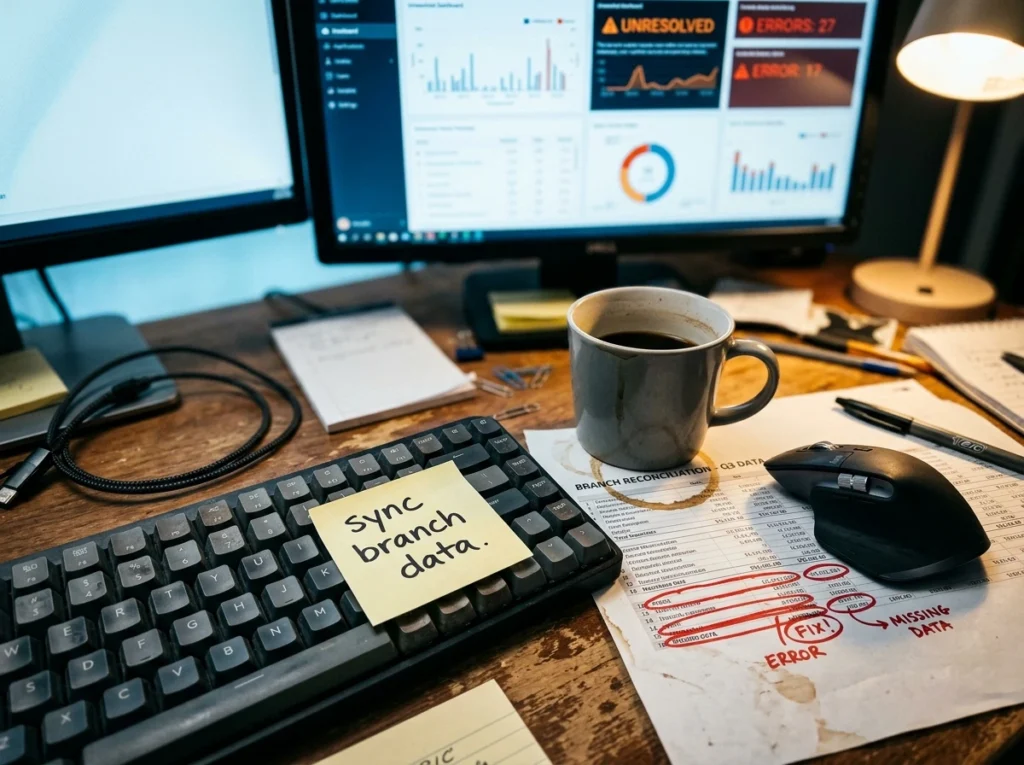
- Vulnerable to hardware failure with no cloud backup
- Limited integration with modern payment gateways and delivery platforms
What Is a Cloud POS System?
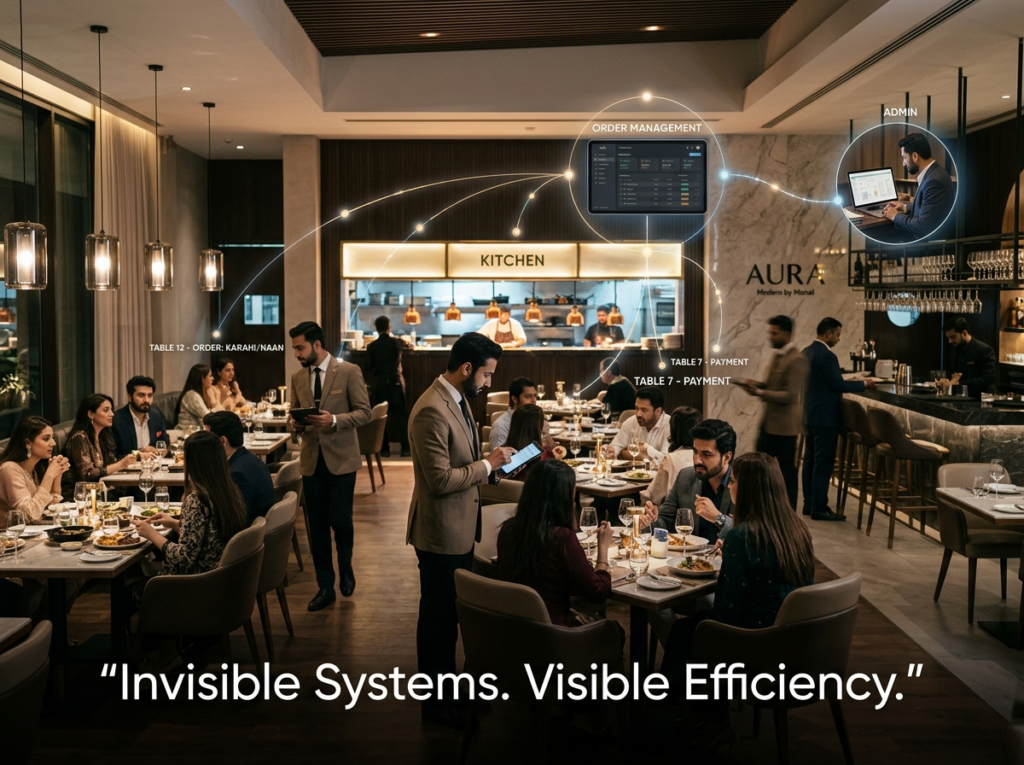
A cloud-based POS stores your data on remote servers and can be accessed from anywhere with an internet connection. Most modern cloud systems run on tablets or even smartphones, dramatically reducing hardware costs.
For restaurant owners in Pakistan, cloud POS platforms like mypos.pk are specifically designed to handle local business needs, from handling multiple currencies and tax structures to integrating with Pakistani payment methods and local delivery aggregators.
To better understand how these systems function in a restaurant environment day-to-day, this breakdown of operations of restaurant POS covers the full operational flow from order taking to kitchen management.
Pros of Cloud POS:
- Low upfront cost, typically subscription-based
- Access your sales data, staff reports, and inventory from anywhere
- Automatic software updates
- Easy to scale across multiple branches
- Integrates with delivery apps, accounting software, and loyalty tools
- Real-time reporting and analytics
Cons of Cloud POS:
- Requires a stable internet connection (though most offer offline mode)
- Monthly or annual subscription fees
- Data is hosted externally (though reputable providers use encrypted, secure servers)
The Pakistan Factor: Why Context Matters
Many global POS comparisons ignore the realities on the ground in markets like Pakistan. Here’s what makes the local context unique:
Internet reliability:
While connectivity has improved dramatically across major cities, outages still occur. This is often cited as a reason to stick with traditional systems. However, most modern cloud POS platforms now offer offline functionality: the system continues to process orders and syncs data automatically once the connection is restored. This largely eliminates the connectivity concern.
Cost sensitivity:
Pakistani restaurant owners, especially those running small to mid-sized setups, are understandably cautious about upfront investment. Traditional POS systems can cost anywhere from PKR 150,000 to PKR 500,000+ once you factor in hardware, installation, and licensing. Cloud POS, by contrast, often starts at a fraction of that, making it far more accessible for new entrants and growing F&B businesses.
Multi-branch operations:
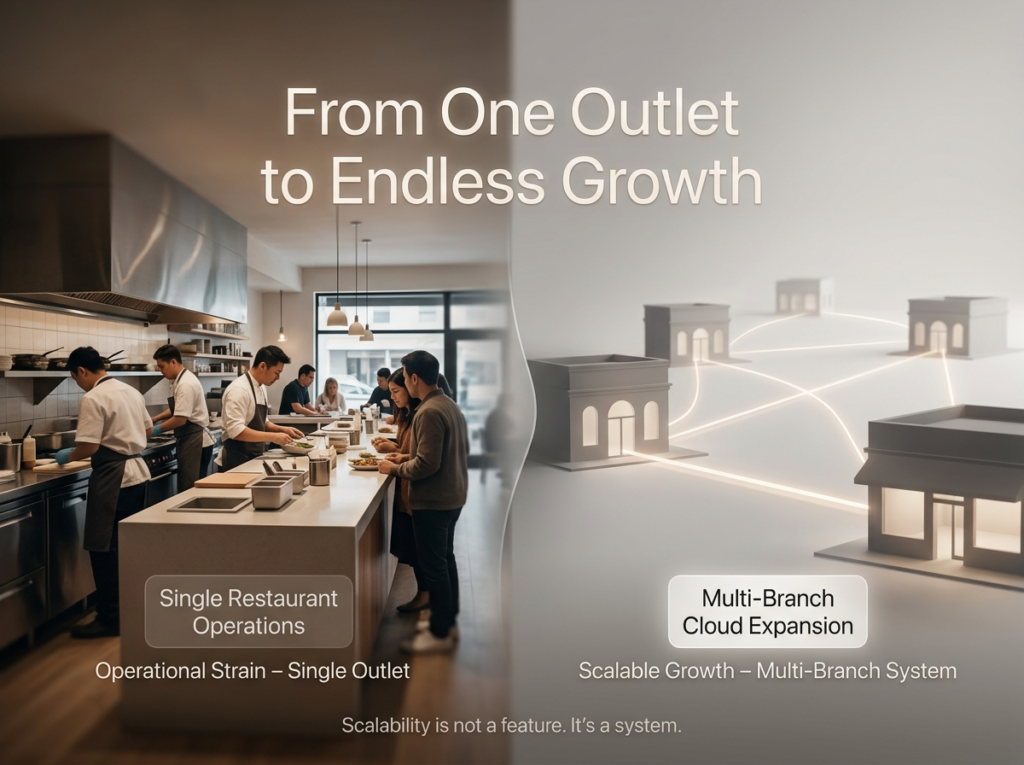
Karachi, Lahore, and Islamabad have seen a significant rise in restaurant chains and franchises. Managing inventory, staff, and sales across multiple outlets through a traditional system is a logistical nightmare. Cloud POS platforms allow head office visibility into every branch in real time, which is a game-changer for growing chains.
FBR integration:
With increasing regulatory requirements around digital invoicing and fiscal compliance in Pakistan, cloud-based systems are far better positioned to stay current with changing tax and reporting requirements.
Real Operational Differences
Let’s talk about what this actually looks like in your restaurant’s daily operations:
Table Management:
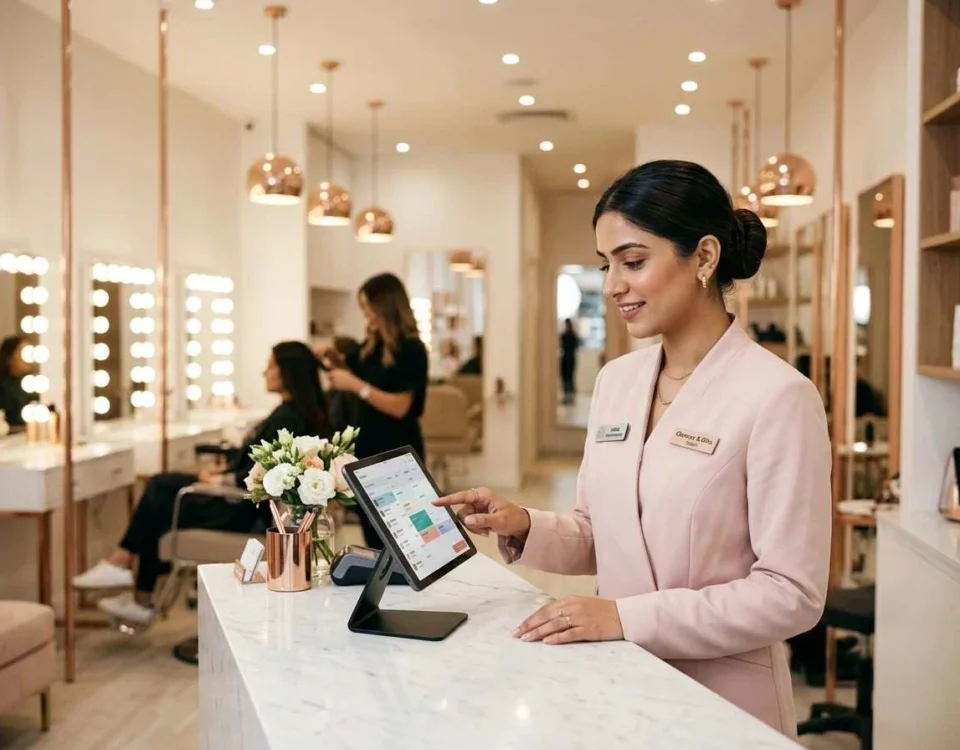
Cloud POS systems typically offer visual table mapping, making it easy for servers to manage occupancy, split bills, and transfer orders between tables. Traditional systems often lack this flexibility or charge a premium for it.
Menu Updates:
Need to add a seasonal dish or update a price? On a cloud system, changes reflect instantly across all terminals and even your online menu. On a traditional system, this often requires manual updates on each individual device.
Sales Reporting:
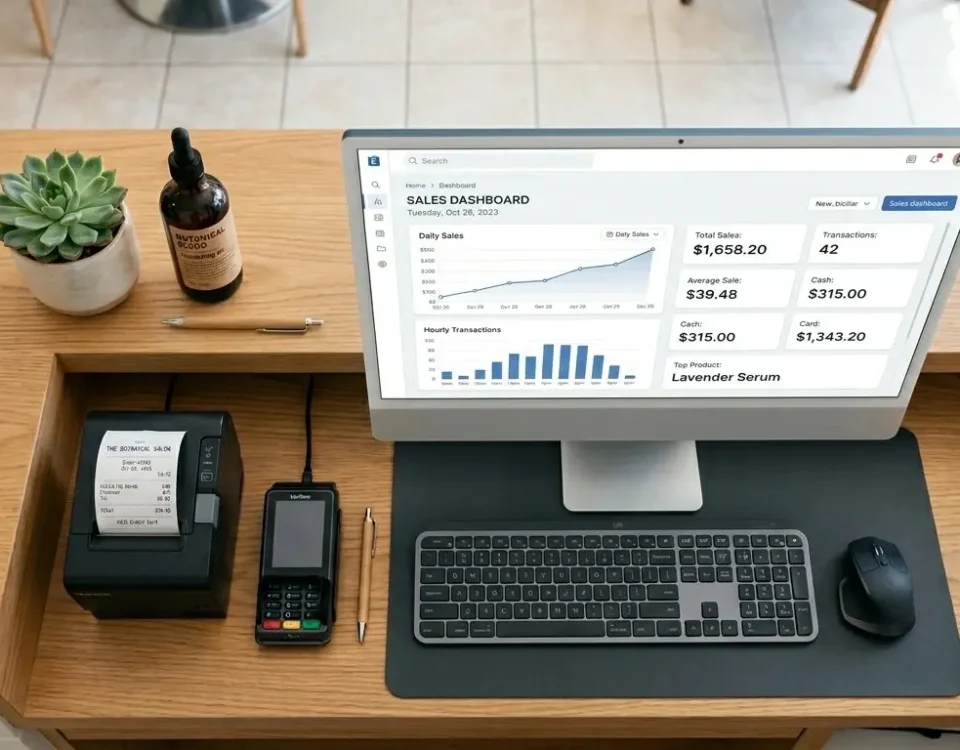
With cloud POS, you can check your daily revenue from your phone at midnight. With a traditional system, you’re waiting until you physically access the terminal.
Staff Management:
Shift logs, clock-in records, and performance tracking are built into most cloud platforms, features that traditional systems either lack or charge extra for.
So, Which Should You Choose?
For the vast majority of Pakistani restaurants opening today, or looking to upgrade, a cloud-based system is the smarter long-term investment. The lower entry cost, scalability, and real-time insights far outweigh the advantages of legacy hardware.
That said, the right choice also depends on your specific setup, size, and budget. For a comprehensive comparison of what’s available locally, explore the best POS for food businesses to see how different platforms stack up.
Platforms like mypos.pk are built specifically for the Pakistani market, offering local support, FBR-compliant invoicing, and integrations that make sense for how restaurants actually operate here.
Making the Final Decision
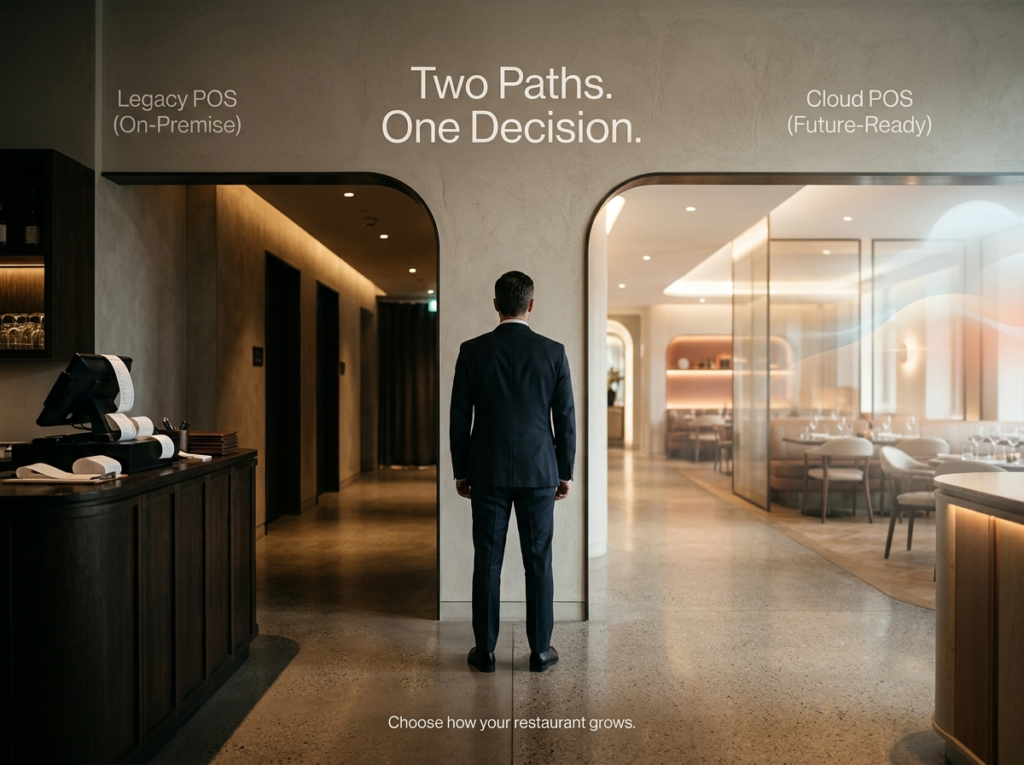
Choosing between cloud and traditional POS is ultimately about where your restaurant is headed, not just where it is today. If you’re planning to grow, hire more staff, open additional branches, or improve your customer experience, a cloud system will support that growth in ways a legacy setup simply cannot.
For a more detailed walkthrough of what to consider before committing to any platform, this 2026 guide to choosing restaurant software is a valuable read before you sign any contracts.
The restaurant industry in Pakistan is evolving fast. Your technology should too.