

Pakistan’s tax system is moving rapidly toward digital compliance and one of the most significant updates is the mandatory adoption of Electronic Invoicing. With the issuance of S.R.O 709 dated 22 April 2025, the Federal Board of Revenue (FBR) has made it compulsory for all Sales Tax–registered businesses to issue invoices through an officially integrated digital system.
In this article we explains what the mandate means, who must comply and why understanding it is crucial for businesses of all sizes.
Is Electronic Invoicing Mandatory in Pakistan?
Yes. Under the 2025 S.R.O, Electronic Invoicing is now required for all registered persons – both corporate and non-corporate who issue taxable supplies in Pakistan. Any business appearing on FBR’s Sales Tax registry must transition to an FBR-integrated e-invoicing system.
Who Needs to Integrate With the e-Invoicing System?
- Corporate Registered Persons:
This includes:
- Private limited companies.
- Public limited companies.
- Multinational firms.
Any incorporated entity registered under Sales Tax laws.
- Non-Corporate Registered Persons:
This includes:
- Sole proprietors.
- Partnerships / AOPs.
- Registered retailers.
- SMEs registered for Sales Tax.
Any registered person issuing taxable invoices is required to comply.
Understanding the e-Invoicing Requirement:
The shift to electronic invoicing is designed to enhance transparency and ensure accurate reporting. For businesses looking for detailed guidance on implementation and integration, a dedicated resource on FBR Digital Invoicing provides step-by-step instructions and best practices.
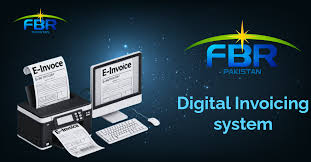
Why Has FBR Made e-Invoicing Mandatory?
The mandate serves several important purposes:
- Reducing fake or duplicate invoices.
- Improving real-time visibility of taxable transactions.
- Ensuring accuracy in Sales Tax reporting.
- Facilitating data-driven audits.
- Modernizing compliance procedures.
- Minimizing manual entry errors.
This initiative strengthens Pakistan’s tax ecosystem while helping businesses maintain cleaner records.
How Does Electronic Invoicing Work?
Businesses must use invoicing software or POS solutions integrated with FBR through API connectivity. The general workflow is:
- Generate an invoice using an FBR-approved system.
- Transmit invoice details to FBR automatically.
- Receive an Invoice Verification Code (IVC).
- Issue the validated invoice to the customer.
This ensures that every invoice is tracked, authentic and compliant with FBR regulations.
Consequences of Non-Compliance With Federal Board Of Revenue (FBR):
Failing to adopt the mandated e-invoicing system may result in:
- Penalties under Sales Tax laws.
- Increased audit scrutiny.
- Suspension of Sales Tax registration.
- Delays in processing refunds.
- Administrative or legal actions.
Timely compliance is therefore essential.

Benefits of Electronic Invoicing for Businesses:
Even though the system is mandatory, it provides several operational benefits:
- Cleaner and more accurate financial records.
- Reduced human error.
- Faster tax return preparation.
- Automated transaction reconciliation.
- Greater visibility over business operations.
- Enhanced credibility with suppliers and customers.
Digital invoicing helps businesses streamline processes while staying fully compliant.
The Best Digital Invoicing Service Provider in Pakistan:
Navigating mandatory electronic invoicing can be complex for many businesses. myPOS offers a reliable, fully FBR integrated digital invoicing solution that helps businesses:
- Generate compliant invoices in real time.
- Automate reporting and reconciliation.
- Reduce errors and streamline workflows.
- Stay fully aligned with FBR requirements.
With us, you can focus on growing your business while we handle the technical and compliance side of e-invoicing. Get started today!
Final Thoughts:
Electronic Invoicing is now a core part of Pakistan’s Sales Tax compliance framework. With both corporate and non corporate registered persons required to integrate, it’s important for businesses to understand the mandate and take action.
For step-by-step guidance, integration options and expert support Call: +92 322 476 5528