


Ask most shop owners in Pakistan how much stock they lost last year and you will get a shrug, or a number pulled from instinct. The honest answer is usually that nobody knows, because the loss never arrives as a single event. It leaks out in small amounts: a carton that never made it to the shelf, an expired batch quietly binned, a return processed twice, a discount applied to a friend at the counter. None of it looks serious on the day it happens. Added up over twelve months, it is often the difference between a profitable year and a flat one. Retail inventory management is simply the discipline of making those leaks visible while they are still small.
Table of Contents
Where Retail Stock Actually Disappears
Shrinkage is the industry term for stock that exists in your records but not on your shelves. Internationally it runs at meaningful levels even in stores with dedicated loss prevention teams; the last full National Retail Security Survey put the average at 1.6% of sales, with theft responsible for around two-thirds of it. In a Pakistani shop running on a register book, the figure is rarely measured at all, which is a different problem: you cannot manage a number you have never seen.
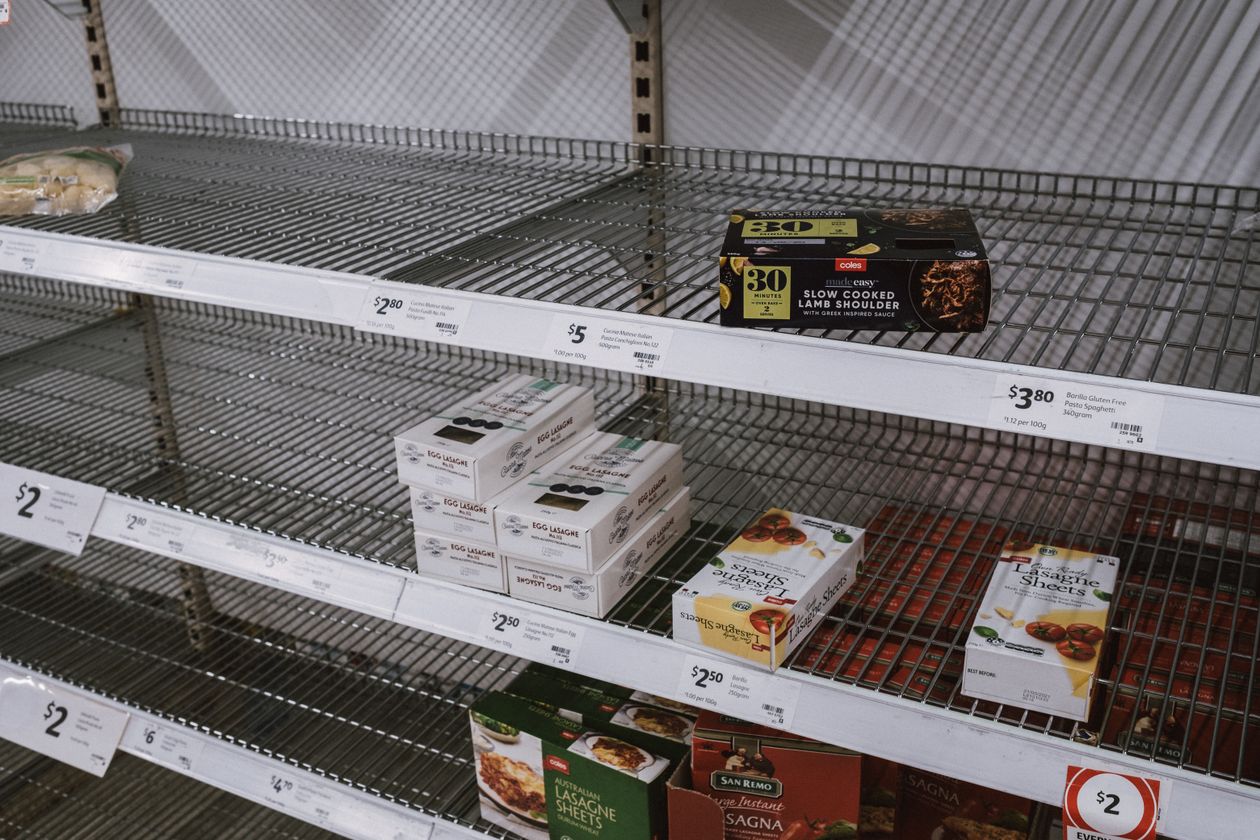
The causes are more mundane than most owners expect. Deliveries signed for without checking quantity. Damaged goods removed from the shelf and never recorded. Items sold at the wrong price because the counter staff guessed. Expired stock discovered too late to return to the supplier. Genuine theft exists, but administrative error usually accounts for more than anyone wants to admit, and it is the easier half to fix.
Why Manual Stock Counts Keep Failing
Most shops do count stock. The problem is that a manual count produces a snapshot with nothing to compare it against. You learn that you have 63 units of something today, but not whether that is correct, because the expected figure only exists as an estimate in someone’s head.
A system-based count works differently. The software already holds an expected quantity built from purchases minus sales minus returns, so counting produces a variance rather than just a number. Variance is the useful output. It tells you which product lines are losing units and roughly when it started, which turns a vague suspicion into something you can investigate. This is one of the practical reasons a properly chosen retail POS system pays for itself faster than owners expect, and it is worth understanding before comparing prices.
Setting Up Inventory So the Numbers Stay Honest

The setup phase determines whether your inventory data stays trustworthy or drifts into fiction within six months. A few decisions matter more than the rest:
- One product, one code. Duplicate entries for the same item destroy every report that follows.
- Variants tracked separately where they matter, such as size, colour, or pack weight.
- Opening stock entered from a physical count, not from an old register total.
- Reorder levels set per item, so low stock alerts mean something.
- Every movement recorded in the system, including damages and staff purchases.
That last point is where most implementations quietly fail. If a broken bottle gets swept up without an entry, the system’s count and the shelf count separate permanently, and every subsequent report inherits the error. Good inventory management software makes recording a damage or adjustment fast enough that staff actually do it rather than deciding it is not worth the trouble.
Purchases, Returns and Expiry: The Three Quiet Leaks
Stock loss rarely begins at the counter. It usually begins at the delivery door, where cartons are accepted on trust and the invoice is filed without checking what actually arrived. Recording goods against a purchase order at the point of receipt catches short deliveries the same day, while the supplier can still be held to it. A purchase and supplier module tied to the same stock ledger removes the gap between what you paid for and what reached the shelf.
Returns are the second leak, and the more awkward one, because the money moves outward and the stock moves inward at the same time. When returns are handled informally, refunded items sometimes never re-enter inventory, and occasionally the same item is refunded twice. Processing every refund through the system as a formal return transaction keeps both the cash and the stock accounted for, and creates a record if a pattern develops around one member of staff.
Expiry is the third, and it is close to pure loss when it goes unmanaged. Groceries, cosmetics, and pharmacy lines all lose value on a fixed clock, and stock that expires on the shelf cannot be returned or discounted after the fact. Batch-level expiry tracking lets you see what is approaching its date while there is still time to move it through a promotion or send it back under supplier terms.
Using Reports to Catch Problems Early

Inventory data only helps if someone looks at it on a schedule. Four reports do most of the work: stock variance, slow-moving items, void and discount activity by staff member, and gross margin by product. Each answers a question an owner would otherwise be guessing at.
Slow movers deserve particular attention, because dead stock is capital sitting still. Money tied up in items that have not sold for six months is money not available for the lines that turn over weekly. Pulling that list from your reporting dashboard once a month and deciding what to discount, bundle, or return is one of the highest-return half hours available to a retail owner. There is also a compliance dimension here: accurate stock and sales records are the foundation of the documentation expected under the Federal Board of Revenue’s POS reporting rules, so inventory discipline and tax readiness tend to improve together.
Building a Counting Routine That Sticks
Annual stocktakes are the tradition, and they are the least useful option available. Counting everything once a year means discovering a twelve-month-old problem with no way to trace when it began, and it usually requires closing the shop for a day.
Cycle counting works better for most stores. Instead of counting everything at once, you count a small section each week on a rotation, so the whole shop is covered over a quarter without ever shutting. High-value and fast-moving lines get counted more often than the rest. The routine matters more than the frequency: a fixed day, a named person, and a rule that variances get investigated rather than simply corrected in the system. Adjusting the count to match the shelf without asking why is how a store convinces itself nothing is wrong for years at a time.
Conclusion
Stock loss is not usually a dramatic problem, which is exactly why it survives so long. It hides inside ordinary days and only becomes visible when someone builds a system that expects a number and notices when reality disagrees. Get the product list clean, record every movement including the inconvenient ones, count in small regular batches, and read four reports a month. That is most of retail inventory management, and it costs far less than the stock it saves.
If you want to see how this works on your own product list rather than in principle, myPOS works with retail stores across Pakistan on exactly this, so get in touch and we will walk through your current stock process and where the gaps are.
Frequently Asked Questions
What is a good stock loss percentage for a retail store?
Anything consistently under about one percent of sales is considered controlled. The more important step is measuring it at all, since most small stores never do.
How often should a retail shop count stock?
Weekly cycle counts of a rotating section work better than one annual stocktake, because problems surface while they are still traceable.
Can a POS system stop employee theft?
It cannot prevent it outright, but staff-level logins and logged voids and discounts make irregular activity visible quickly, which is usually enough to deter it.
What is the difference between stock management and inventory management?
In practice the terms are used interchangeably. Stock management tends to describe counting what is on the shelf, while inventory management covers purchasing, valuation, and reporting as well.
Do I need barcodes for inventory management?
Not strictly, but beyond a few hundred products barcodes remove most of the entry errors that make inventory records unreliable in the first place.